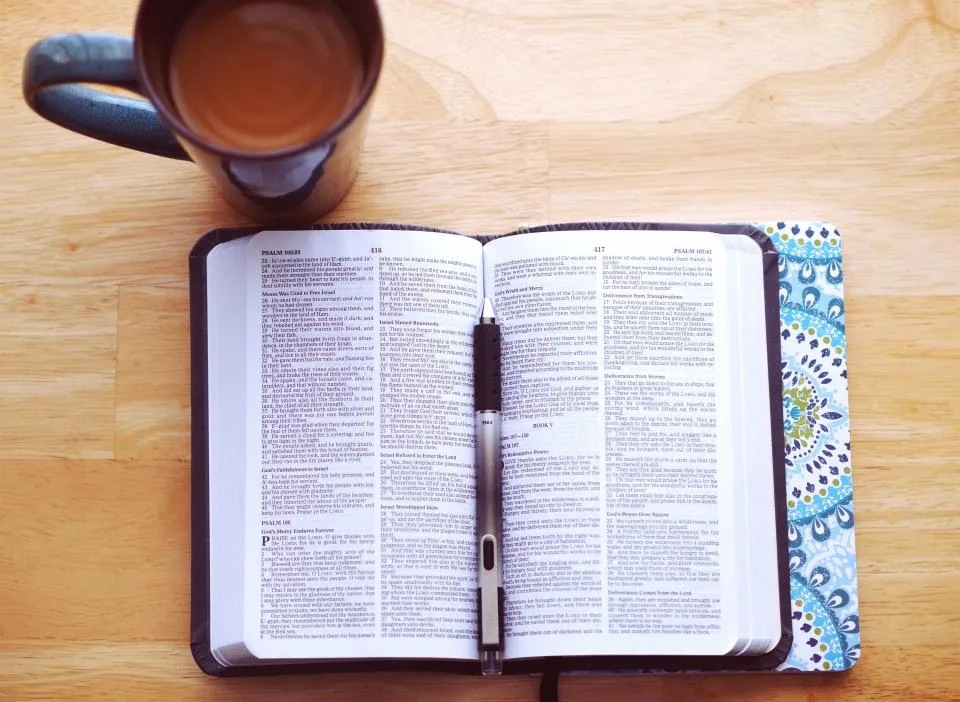
Many believers want a daily devotional time, but life gets busy. Good intentions fade, a few days are missed, and the habit quietly slips away.
If that sounds familiar, you are in good company. At Blessingtide.Com, we believe the goal is not perfection. It is a steady, simple rhythm of meeting with God that fits your real life.
This guide walks you through seven practical steps to start a daily devotional habit that lasts, with grace for the days that do not go as planned.
Key takeaways
- A devotional habit is a regular time set aside to read Scripture, pray, and listen to God.
- Starting small and consistent works better than starting big and burning out.
- A fixed time, a set place, and a simple plan remove daily decision fatigue.
- Missing a day is not failure; simply begin again the next morning.
What Is a Daily Devotional?
A daily devotional is a short, regular time spent with God. It usually includes reading a passage of the Bible, reflecting on it, and praying. Some people add worship music, journaling, or a devotional book.
The point is relationship, not routine for its own sake. As the psalmist wrote, “Thy word is a lamp unto my feet, and a light unto my path” (Psalm 119:105, KJV). Daily time in Scripture helps us walk by that light.
Prepare: Your Time, Place, and Plan
The first three steps are about making the habit easy before you ever open your Bible.
Step 1: Choose a Realistic Time
The best time for devotions is the one you can keep. For many people, that is first thing in the morning before the day gets busy. For others, it is a lunch break or the quiet hour after the kids are asleep.
- Morning people: try ten minutes before you check your phone.
- Night owls: try reading before bed and praying over the next day.
- Busy parents: consider nap time, carpool waiting, or an early alarm a few times a week.
Whatever you choose, treat it like an appointment you would not skip.
Step 2: Set Up a Simple Space
A consistent place signals to your mind that it is time to slow down. It does not need to be fancy.
- A favorite chair with a blanket
- A corner of the kitchen table with your Bible and a pen
- A spot by a window where morning light comes in
Keep your Bible, a notebook, and a pen there so you can sit down and begin without searching.
Step 3: Pick a Reading Plan
Not knowing what to read is one of the biggest reasons devotional habits stall. A plan removes that daily decision.
Simple plans for beginners:
- One Gospel, one chapter a day. The Gospel of Mark has 16 chapters and is a wonderful place to begin.
- A Psalm a day. The Psalms give language to every emotion and pair naturally with prayer.
- A Proverb a day. With 31 chapters, Proverbs fits neatly into a month.
- A topical collection. Read a set of verses on one theme, such as our Bible verses about hope, one verse per day.
Start with a short plan you can finish. Completing something builds momentum.
Practice: Read, Pray, and Write
The next three steps shape what happens once you sit down.
Step 4: Read Slowly and Reflect
Devotional reading is about depth, not speed. Read a short passage, then pause. These three simple questions can guide your reflection:
- What does this passage show me about God?
- What does it show me about myself or about people?
- Is there something to believe, thank God for, or put into practice today?
If a single phrase stands out, stay with it. Read it again. Let it sink in.
Step 5: Pray Honestly
After reading, talk with God about what you read and what is on your heart. Many people find a simple pattern helpful:
- Praise: thank God for who He is.
- Confess: be honest about where you have fallen short.
- Ask: bring your needs and the needs of others.
- Yield: surrender the day to Him.
You can also pray a written prayer. Prayers from the Psalms or one of our morning prayers for strength and peace can help when your own words feel thin.
Step 6: Write One Thing Down
A short journal entry helps you remember what God is teaching you. It does not need to be long.
- Write the date and the passage.
- Copy one verse or phrase that stood out.
- Write one sentence of response or prayer.
Over months, these notes become a beautiful record of God’s faithfulness. If you enjoy this part, our guide to creating a gratitude journal with Scripture offers prompts and verses to grow it further.
Step 7: Keep Going With Grace
Every habit has gaps. You will miss days because of illness, travel, or simply forgetting. When that happens, do not start over from guilt. Just pick up where you left off.
- Track your days with a simple checkmark on a calendar.
- Invite a friend to read the same plan and check in weekly.
- Remember that God’s love for you is not measured by your streak.
Many Blessingtide.Com readers find that having a verse ready makes it easier to sit down each day. Our Bible verses by topic are an easy place to find one, and our Christian living blog has more guides on prayer and spiritual habits.
Frequently Asked Questions
How long should a daily devotional be?
Ten to fifteen minutes is a great place to start. Some days you may have more time and some days less. Consistency matters more than length, and the time often grows naturally as the habit deepens.
What should I do if I get distracted during devotions?
Distraction is normal. Keep a notepad nearby to jot down stray to-do items, silence your phone, and gently return your attention to the passage. Reading aloud can also help you focus.
Do I need a devotional book?
No. A Bible is enough. Devotional books can be helpful for structure and insight, but reading Scripture directly with a simple plan and prayer is a complete and meaningful devotional time.
A Small Daily Yes
A lasting devotional habit is built one quiet morning at a time. Each time you open your Bible and pray, you are saying yes to the God who already says yes to you.
Pick your time, choose your plan, and begin tomorrow. Start small, stay gentle with yourself, and watch how those few minutes shape the rest of your day.
For a fresh verse, prayer, or blessing to support your quiet time, visit BlessingTide.Com whenever you need one.